Declining testosterone levels, often associated with aging, can lead to a range of physical and emotional changes, impacting overall quality of life. Recognizing the signs and taking proactive steps is crucial for maintaining vitality and energy. This article provides a comprehensive guide to reversing these effects naturally, focusing on evidence-based strategies for quick testosterone results without relying on synthetic supplements. We'll explore dietary adjustments, targeted exercises, stress management techniques, and lifestyle modifications, all backed by scientific research, to help you reclaim your vitality and embrace a healthier, more energetic future.
- Understand Testosterone Decline: Causes & Symptoms
- Lifestyle Changes for Quick Testosterone Results Naturally
- Explore Natural Supplements & Hormone Balance Strategies
Understand Testosterone Decline: Causes & Symptoms
Declining testosterone levels can manifest through a range of symptoms, from low energy and reduced muscle mass to mood changes and decreased libido. Understanding the causes behind this hormonal shift is key to reversing its effects. Testosterone decline is often linked to aging, with natural production peaking in early adulthood and gradually decreasing thereafter. However, certain lifestyle factors, medical conditions, and genetic predispositions can accelerate this process. For instance, obesity, stress, inadequate sleep, and chronic illnesses like diabetes (as evidenced by a study showing a strong correlation between low testosterone and insulin resistance) are known contributors.
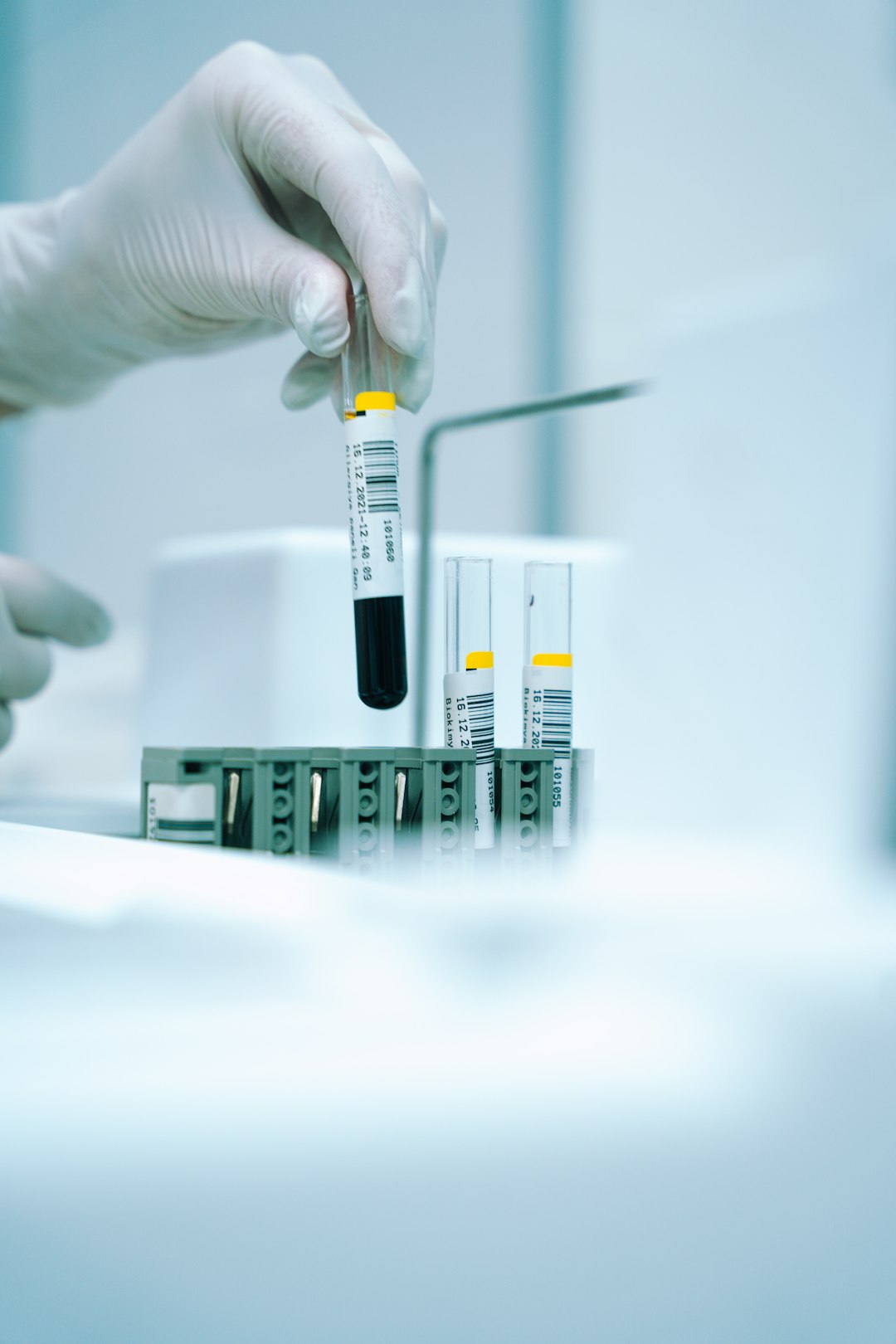
Diagnostic tools play a crucial role in identifying the extent of testosterone decline. A comprehensive approach involves assessing various blood markers. The vitamin B12 blood test in Leeds, for example, can reveal nutritional deficiencies that impact hormone production. Similarly, a full blood count (FBC) in Coventry may highlight underlying issues like thyroid problems or chronic inflammation. In some cases, a diabetes blood test in Portsmouth is essential to rule out insulin resistance, as it's closely tied to testosterone levels. These tests provide valuable insights for tailoring treatment strategies aimed at achieving quick testosterone results naturally.
Treating testosterone decline effectively necessitates addressing the root causes. Lifestyle modifications such as regular exercise, targeted nutrition (including sufficient vitamin B12 intake), and stress management techniques can significantly impact hormone levels. Additionally, medical interventions like hormone replacement therapy or specific medications may be prescribed under professional guidance to restore balance. By combining these strategies, individuals can work towards not only mitigating symptoms but also reversing the decline, thereby improving overall health and quality of life.
Lifestyle Changes for Quick Testosterone Results Naturally
Reversing the signs of declining testosterone doesn't have to involve complex medical interventions. Lifestyle changes can yield significant results, offering a natural way to boost this essential male hormone. One of the first steps is adopting a balanced diet rich in fruits, vegetables, lean proteins, and healthy fats. Foods like spinach, almonds, and fatty fish contain zinc and vitamin D, crucial for testosterone production. Regular exercise is another powerful tool; strength training specifically targets muscle growth, which can increase testosterone levels. Aim for 150 minutes of moderate aerobic activity or 75 minutes of vigorous exercise weekly, coupled with resistance training on two or more days.
Stress management plays a surprising but vital role. Chronic stress hormones like cortisol can suppress testosterone. Techniques such as meditation, yoga, and deep breathing exercises have been shown to reduce stress levels effectively. Adequate sleep is also critical; aim for 7-9 hours each night. Studies suggest that sleep deprivation can significantly lower testosterone concentrations. Additionally, maintaining a healthy weight through regular exercise and a balanced diet is key. Obesity is linked to lower testosterone levels, so losing excess weight can be beneficial.
Regular health check-ups are essential, especially for underlying conditions like diabetes (which can be monitored via a blood test in Nottingham), high cholesterol (addressed with a blood test in Leeds), or other metabolic disorders. Managing these conditions effectively may positively impact testosterone levels. For instance, optimizing blood sugar control in diabetics has been linked to improved hormone balance. Consulting healthcare professionals who specialize in hormonal health is crucial for tailored guidance and monitoring progress towards achieving quick testosterone results naturally.
Explore Natural Supplements & Hormone Balance Strategies
Reversing the signs of declining testosterone is a multifaceted approach that involves not just supplements but also a holistic view of hormone balance. For those seeking quick testosterone results naturally, it's crucial to understand that while certain supplements can aid in this process, they are best used in conjunction with lifestyle modifications and, where necessary, medical guidance. A balanced approach, tailored to individual needs, can significantly improve overall health and well-being.
One key strategy is to focus on dietary changes that support hormone production. Foods rich in zinc, such as oysters, beef, and pumpkin seeds, are well-known for their role in testosterone synthesis. Additionally, foods high in healthy fats, like avocados, nuts, and olive oil, can help maintain optimal hormone levels. Incorporating these into your diet can provide a solid foundation for natural testosterone support. It's also important to manage stress levels, as chronic stress can negatively impact hormone production. Techniques like meditation, yoga, and regular exercise can help regulate stress hormones, thereby supporting healthier testosterone levels.
Beyond dietary and lifestyle adjustments, specific natural supplements have gained attention for their potential to boost testosterone. For instance, ashwaganda and Tribulus terrestris have been used traditionally to enhance hormone production. However, it's essential to approach these supplements with caution and consult a healthcare professional, especially if you have underlying health conditions or are taking medications. Regular check-ups, including cholesterol blood tests in Leicester, female hormone blood tests in Sheffield, and diabetes blood tests in Bristol, can provide valuable insights into overall health and help tailor hormone balance strategies accordingly. These tests, along with a comprehensive understanding of your medical history, will ensure that any supplement regimen is safe and effective, leading to genuine quick testosterone results naturally.
By understanding the causes and symptoms of testosterone decline, individuals can take proactive steps to reverse these signs naturally. Lifestyle modifications, such as regular exercise, a balanced diet, and stress management, offer quick testosterone results, enhancing overall well-being. Natural supplements and hormone balance strategies further support this process. Integrating these insights allows for a holistic approach to reclaiming hormonal balance and vitality, reinforcing the article's authority on reversing declining testosterone levels effectively and naturally.
Declining Testosterone: Causes, Diagnosis, & Natural Reversal Strategies
Decreasing testosterone levels manifest through various symptoms. Aging is a natural cause, but lifestyle factors, medical conditions, and genetics can accelerate it. Diagnostic tools include blood tests for vitamin B12, full blood count (FBC), and diabetes screening.
Effective treatment addresses root causes:
- Lifestyle Modifications: Regular exercise, balanced nutrition (including zinc, vitamin D from foods like spinach, almonds, and fatty fish), stress management (meditation, yoga), and adequate sleep (7-9 hours).
- Healthy Weight Management: Regular exercise and diet control. Obesity linked to lower testosterone.
- Regular Health Check-ups: Monitor underlying conditions like diabetes, high cholesterol, or metabolic disorders through blood tests in relevant cities (Nottingham, Leeds, etc.).
- Medical Guidance & Supplements: Under professional supervision, natural supplements like ashwaganda and Tribulus terrestris may aid, but consult healthcare providers first.