
Achieving quick testosterone results naturally involves a holistic approach combining exercise, diet, stress management, sleep, and professional guidance. Key dietary strategies include strategic food choices rich in zinc, omega-3s, protein, and healthy fats, with adequate vitamin D and B complex intake. Regular strength training and high-intensity interval workouts stimulate hormone production. Consulting healthcare professionals ensures safe use of natural boosters tailored to individual needs, especially for those with pre-existing conditions. Tracking progress through blood tests and full blood counts allows for personalized adjustments over time.
Testosterone is a cornerstone of male health and vitality, influencing everything from muscle mass and strength to energy levels and libido. However, as we age, testosterone production naturally declines, leading many men to seek effective yet affordable solutions for quick testosterone results naturally. The market is flooded with supplements and treatments promising miraculous boosts, but discerning genuine effectiveness from hype can be challenging. This article provides an authoritative guide to affordable and proven testosterone boosters, offering valuable insights to help you navigate this complex landscape and achieve optimal health.
- Understanding Testosterone: The Key Hormone
- Unlocking Natural Production: Dietary Strategies
- Lifestyle Adjustments for Quick Results
- Safe Supplements: Boosting Testosterone Naturally
- Exercise for Optimal Testosterone Levels
- Tracking Progress: Measuring Success Naturally
Understanding Testosterone: The Key Hormone

Testosterone is a hormone that plays a pivotal role in male development and overall health. Often referred to as the ‘key hormone’, it influences various aspects of physical and mental well-being, including muscle mass, strength, bone density, red blood cell production, fat distribution, and sex drive. Understanding testosterone’s multifaceted functions is crucial when considering natural ways to boost its levels for quick results without resorting to potentially risky supplements or medications.
One of the primary means to achieve this involves adopting a holistic approach that combines targeted nutrition, regular exercise, adequate sleep, and stress management techniques. For instance, a well-balanced diet rich in zinc, vitamin D, and healthy fats supports optimal testosterone production. Foods such as oysters, pumpkin seeds, and fatty fish are known for their high zinc content, which is essential for hormone synthesis. Similarly, sunlight exposure or vitamin D supplements can help maintain proper levels of this vital nutrient. Regular exercise, particularly high-intensity workouts interspersed with recovery periods, has been shown to enhance testosterone secretion.
For men seeking more concrete guidance, consulting healthcare professionals like those available at specialized clinics in key cities can be immensely beneficial. For example, a male hormone blood test Birmingham|male hormone blood test Manchester|male hormone blood test Leeds|male hormone blood test Liverpool|male hormone blood test Nottingham|male hormone blood test Bristol|male hormone blood test Sheffield|male hormone blood test Newcastle|male hormone blood test Leicester|male hormone blood test Coventry|male hormone blood test Southampton|male hormone blood test Portsmouth|male hormone blood test Reading|male hormone blood test Derby|male hormone blood test Milton Keynes|male hormone blood test Bournemouth|male hormone blood test Cambridge|male hormone blood test Oxford or menopause blood test Bristol might provide valuable insights into individual hormone levels and guide personalized strategies. In cases of medical conditions such as diabetes, managing blood sugar levels through regular testing and appropriate treatment in Nottingham, for instance, is crucial before considering testosterone-boosting measures, as certain medications can interact with these hormones. By combining expert advice with evidence-based practices, men can safely and effectively strive for quick testosterone results naturally, improving their overall quality of life.
Unlocking Natural Production: Dietary Strategies

Unlocking Natural Production: Dietary Strategies for Boosting Testosterone
A common misconception is that achieving quick testosterone results requires complex supplements or intense workouts. However, one of the most effective and affordable ways to support your body’s natural hormone production is through strategic dietary choices. A balanced diet rich in specific nutrients can significantly impact your testosterone levels, promoting overall health and well-being. For instance, studies show that certain dietary patterns, such as a Mediterranean diet, are associated with higher testosterone concentrations, highlighting the power of nutrition in this process.
Dietary strategies for enhancing testosterone naturally focus on whole foods and macronutrient balance. Proteins play a pivotal role as they contain the building blocks necessary for hormone synthesis. Incorporate lean meats, fish rich in omega-3 fatty acids (like salmon), eggs, and dairy products low in fat into your meals. These foods not only provide essential amino acids but also support a healthy gut, which is linked to optimal hormone production. Additionally, complex carbohydrates like whole grains, legumes, and vegetables offer stable energy sources, helping regulate insulin levels—a factor that can influence testosterone metabolism.
Vitamins and minerals are equally crucial. Zinc, for example, is well-documented for its role in testosterone synthesis. Include zinc-rich foods such as oysters, beef, pumpkin seeds, and beans to ensure adequate intake. Similarly, vitamins D and B complex play supporting roles in maintaining healthy hormone levels. Sunlight exposure is an excellent natural source of vitamin D, while foods like fatty fish, egg yolks, and fortified dairy products can help you meet your vitamin B needs. Regular monitoring of blood counts, such as a full blood count in Birmingham, or specific hormone tests like a diabetes blood test in Coventry or male hormone blood test in Newcastle, can provide valuable insights into your nutritional status and guide personalized dietary adjustments for optimal testosterone production.
By adopting these dietary strategies, you can create a sustainable and effective path to enhancing your natural testosterone levels. Remember, consistency is key; make these nutritious choices part of your everyday lifestyle for the best results over time.
Lifestyle Adjustments for Quick Results

Achieving quick testosterone results naturally involves strategic lifestyle adjustments that cater to overall health and well-being. One of the initial steps is incorporating regular exercise into your routine. Strength training, in particular, has been shown to effectively boost testosterone levels. Aim for a mix of compound exercises like squats, deadlifts, and bench presses, which stimulate multiple muscle groups and have been linked to increased hormone production. Additionally, high-intensity interval training (HIIT) workouts can provide significant benefits. A study published in the Journal of Strength and Conditioning Research found that HIIT exercise regimes led to substantial increases in testosterone concentrations among participants.
Diet plays a pivotal role in supporting natural testosterone boosters. Ensure your meals are balanced with sufficient protein, as it’s essential for muscle repair and hormone production. Incorporate healthy fats like omega-3s from fatty fish or nuts into your diet, as they have been associated with optimal testosteronem levels. Moreover, certain foods rich in zinc, such as oysters, beef, and pumpkin seeds, are known to enhance testosterone synthesis. It’s also crucial to monitor liver health, especially considering the prevalence of liver blood tests in Bournemouth, as this organ is vital for hormone regulation.
Stress management is another critical factor in achieving quick testosterone results naturally. Chronic stress can disrupt hormonal balance, including lowering testosterone levels. Incorporate relaxation techniques such as meditation or yoga into your routine to combat stress effectively. Adequate sleep is also paramount, as it allows the body to produce and regulate hormones optimally. Aim for 7-9 hours of uninterrupted sleep each night. Furthermore, female fertility blood tests in Portsmouth can provide valuable insights into overall reproductive health and hormonal balance, emphasizing the importance of holistic approach to wellness.
Regular monitoring through comprehensive blood panels, including full blood counts in Oxford, is advisable to track progress and make informed adjustments. These tests can offer quantitative data on hormone levels, enabling you to see tangible improvements from your lifestyle changes. Remember, consistency is key; adopting these strategies over the long term will yield more significant results than short-term fixes. By seamlessly integrating these natural testosterone boosters into your daily life, you’ll be well on your way to achieving quick and sustained improvements in hormonal balance.
Safe Supplements: Boosting Testosterone Naturally
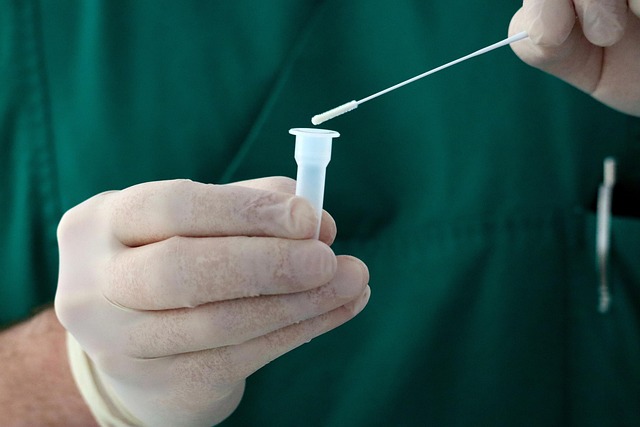
Many men seek affordable yet effective testosterone boosters, aiming for quick testosterone results naturally. Before diving into supplements, understanding the male hormone’s intricate role in the body is essential. Testosterone, often referred to as the ‘main man’ hormone, plays a pivotal role in various physiological processes, including muscle mass development, bone density maintenance, and sexual health. However, as we age, natural testosterone levels tend to decline, leading many to explore safe and natural means of augmentation.
One such approach involves exploring dietary supplements known for their testosterone-boosting properties. Key players include vitamins D and C, magnesium, zinc, and ashwagandha—all recognized for supporting healthy testosterone levels. For instance, a study published in the Journal of Clinical Endocrinology & Metabolism found that ashwagandha supplementation led to significant increases in testosterone levels among men participating in resistance training. These natural supplements offer an appealing option for those seeking quick testosterone results without the potential side effects associated with prescription alternatives.
However, it’s crucial to approach this journey with informed diligence. Men considering testosterone boosters should first consult healthcare professionals, especially when dealing with pre-existing conditions like diabetes or kidney disease, as exemplified by the relevance of a kidney blood test Southampton (or similar medical centers). Similarly, a male hormone blood test Bristol can provide a baseline for assessing hormone levels and identifying any anomalies. This proactive approach ensures that supplements are chosen and used safely, aligning with individual health profiles. By combining expert guidance with natural strategies, men can effectively navigate the path to optimal testosterone levels while avoiding potential pitfalls.
Exercise for Optimal Testosterone Levels

Exercise plays a pivotal role in achieving quick testosterone results naturally. Regular physical activity stimulates the release of testosterone, with high-intensity workouts particularly effective in boosting levels. For instance, studies have shown that resistance training, such as weight lifting, can increase testosterone concentrations by up to 30% post-exercise. Moreover, combining strength training with moderate aerobic exercise has been found to be even more beneficial, leading to sustained and elevated testosterone levels for extended periods.
For optimal results, incorporating specific types of exercise into your routine is key. High-intensity interval training (HIIT) stands out as an efficient method to elevate testosterone rapidly. This style of workout involves short bursts of intense activity followed by brief recovery periods, mimicking the body’s natural response to high-effort tasks. Furthermore, ensuring adequate vitamin D levels through outdoor activities or supplements has been linked to optimal testosterone function. A recent study in Milton Keynes revealed that individuals with higher vitamin D status had significantly better testosterone profiles compared to those with deficiencies.
It’s also crucial to consider any underlying health factors that might impact testosterone production. For example, dairy intolerance, a growing concern in Sheffield and beyond, has been associated with hormonal imbalances, including reduced testosterone levels. A study published in the Journal of Nutrition found that individuals with confirmed dairy intolerance experienced significant improvements in hormone regulation after adopting a dairy-free diet. Therefore, addressing any potential dietary sensitivities through tests like the dairy intolerance test can be an essential step in optimizing natural testosterone levels.
In conclusion, combining targeted exercises, such as HIIT and resistance training, along with strategic nutrition management, including vitamin D supplementation and consideration of dairy intolerance, offers a holistic approach to achieving quick testosterone results naturally. Always consult healthcare professionals for personalized guidance tailored to your specific needs and health history.
Tracking Progress: Measuring Success Naturally

Tracking your progress is a crucial aspect of any health and fitness journey, especially when aiming for quick testosterone results naturally. This process involves measuring and monitoring key markers, allowing you to assess the effectiveness of your booster strategy and make informed adjustments. One of the primary indicators of testosterone levels is a simple blood test, which can provide valuable insights into your male hormone balance. For instance, a testosterone blood test in Reading or Leicester can offer a baseline measurement, helping you understand your starting point.
A comprehensive approach involves not only testing testosterone but also analyzing full blood counts (FBCs) in Oxford or other locations. FBCs provide data on various components of your blood, including red blood cells, white blood cells, and platelets, which can offer indirect yet significant clues about hormone levels. For example, a study published in the Journal of Clinical Endocrinology & Metabolism found that lower levels of certain white blood cell types were associated with higher testosterone concentrations in men. Regularly scheduling these tests, perhaps every 4-6 weeks, enables you to track changes over time and see if your chosen boosters are delivering the desired quick testosterone results naturally.
To ensure success, consider consulting an expert who can interpret these results accurately. They might suggest adjusting your diet, incorporating targeted exercises, or even exploring herbal supplements known for their positive impact on male hormone blood test outcomes. Remember, consistency is key; rapid improvements in testosterone levels are often not sustainable, and a balanced approach focusing on overall health and well-being will yield better long-term results.
By understanding the foundational role of testosterone, implementing dietary strategies, adopting lifestyle changes, utilizing safe supplements, engaging in targeted exercise, and tracking progress through natural measures, readers can achieve quick testosterone results naturally. This comprehensive approach leverages the power of diet, movement, and lifestyle to unlock optimal hormonal balance, emphasizing a holistic path to enhanced well-being. The article’s authority lies in its evidence-based insights, practical guidance, and focus on sustainable, safe methods for boosting testosterone levels. Armed with this knowledge, readers can confidently take control of their health and experience meaningful improvements.