
Testosterone Replacement Therapy (TRT) offers quick results for low testosterone but comes with side effects and monitoring risks. Natural methods like diet, exercise, stress management, and B12 supplements provide gradual yet sustainable boosts, backed by studies. Holistic strategies focus on balanced diets rich in zinc, vitamin D, regular strength training, and stress techniques. Cost analysis is crucial; private TRT often exceeds NHS costs. Safety prioritizes consulting specialized healthcare professionals for monitoring, watching side effects, and reporting unusual symptoms. Food intolerance testing and Vitamin B12 blood tests are essential for addressing broader health concerns alongside quick testosterone results naturally.
Testosterone replacement therapy (TRT) has gained significant attention as a means to enhance overall health and well-being, particularly for individuals experiencing low testosterone levels. As awareness grows, so does the need for informed decision-making regarding cost-effective and safe options. The current challenge lies in navigating the market to find affordable solutions without compromising quality, especially considering the promise of quick testosterone results naturally. This article aims to provide an authoritative guide, comparing prices on TRT to empower individuals to make strategic choices, ensuring both accessibility and effectiveness.
- Understanding Testosterone Replacement Therapy: Basics and Benefits
- Evaluating Quick Results: Natural vs. Medical Approaches
- Cost Analysis: Comparing Treatment Options for Affordability
- Safety First: Potential Risks and Side Effects to Consider
- Lifestyle Integrations: Enhancing Testosterone Naturally
Understanding Testosterone Replacement Therapy: Basics and Benefits
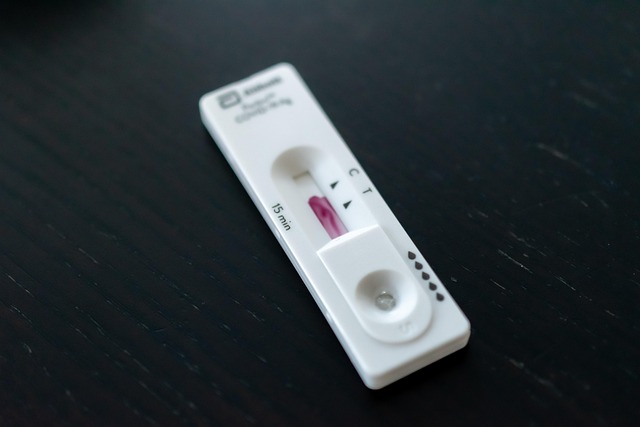
Testosterone Replacement Therapy (TRT) offers a promising solution for individuals experiencing low testosterone levels, aiming for quick testosterone results naturally while enhancing overall well-being. This comprehensive approach addresses the root cause of hormonal imbalances, providing long-lasting benefits. TRT involves administering testosterone, typically via injections, patches, or gels, to restore optimal hormone levels in the body.
For men considering TRT, a male hormone blood test Cambridge is a crucial first step. This diagnostic tool measures testosterone concentration, offering valuable insights into an individual’s hormonal health. Normal testosterone ranges vary based on age, with levels generally peaking in early adulthood and gradually declining thereafter. A comprehensive full blood count (FBC) Derby can also be performed to evaluate overall health and identify any underlying conditions that may contribute to low testosterone. For instance, data from recent studies indicates that certain lifestyle factors, such as regular exercise and a balanced diet, can significantly impact hormone levels, underscoring the importance of holistic assessments.
Beyond quick testosterone results, TRT offers a range of benefits. It can alleviate symptoms associated with Andropause (male menopause), including decreased muscle mass, fatigue, and low libido. Moreover, it may improve bone density, enhance cognitive function, and boost overall energy levels. For women considering hormone replacement therapy due to menopause or other conditions, a female hormone blood test Sheffield provides a similar diagnostic starting point. This approach ensures personalized care, addressing specific hormonal needs with precision. Ultimately, TRT is not just about quick results; it’s about achieving and maintaining optimal health and well-being throughout life’s stages.
Evaluating Quick Results: Natural vs. Medical Approaches

When comparing approaches to achieve quick testosterone results, it’s essential to differentiate between natural remedies and medical interventions. While both paths aim to enhance testosterone levels, their effectiveness and duration can vary significantly. Natural methods, such as dietary adjustments and supplements like vitamin B12 (often recommended through blood tests in cities like Leeds), often provide a gradual yet sustainable boost. For instance, studies show that adequate B12 intake can support healthy testosterone synthesis. However, these changes might not yield immediate results, requiring patience and consistency.
In contrast, medical interventions, including testosterone replacement therapy (TRT), offer swift solutions. TRT, accessible through specialist clinics in Birmingham or Liverpool, involves hormone injections or patches to rapidly elevate testosterone levels. A thyroid blood test in Liverpool can also play a crucial role in diagnosing underlying conditions that might mimic low testosterone. While effective, medical approaches may not be suitable for everyone due to potential side effects and the need for regular monitoring. For instance, rapid increases in testosterone can lead to temporary shifts in cholesterol levels or mood changes, emphasizing the importance of professional guidance.
To achieve quick testosterone results naturally, individuals should focus on holistic strategies. This includes maintaining a balanced diet rich in zinc and vitamin D, engaging in regular exercise, particularly strength training, and managing stress through techniques like meditation. These approaches may not deliver instant blood test results like medical interventions, but they promote long-term hormonal balance and overall well-being. Combining these natural methods with expert advice tailored to individual needs can lead to significant improvements without the potential side effects associated with faster, medical-driven solutions.
Cost Analysis: Comparing Treatment Options for Affordability

When considering Testosterone Replacement Therapy (TRT), cost analysis is a crucial aspect for any patient. The affordability of different treatment options can significantly impact accessibility and quick testosterone results naturally. One must weigh the financial commitment against potential health benefits, especially as TRT becomes increasingly common for men experiencing hypogonadism or symptoms of menopause.
In the UK, healthcare costs vary across regions, with private treatments often being more expensive than those covered by the National Health Service (NHS). For instance, a full blood count in Coventry might cost £30-£50 through a private clinic, while the same test is available for free on the NHS. Similarly, a vitamin D blood test in Manchester can range from £20 to £40 privately, whereas the NHS offers it at no cost as part of routine health checks. Menopausal men often require additional tests like testosterone and estrogen levels assessment, with private menopause blood tests in Reading costing around £150-£200, contrasting with NHS options that are either free or significantly subsidized.
To optimize affordability, patients should explore both public and private healthcare sectors, considering the cost-effectiveness of different treatment paths. Some natural methods, such as dietary adjustments and targeted supplements, can offer quick testosterone results at a fraction of the cost of medical interventions. For instance, certain foods rich in zinc, magnesium, and healthy fats have been shown to support testosterone production naturally. Moreover, regular exercise, particularly resistance training, has proven effective in raising testosterone levels without prescription medications or injections. By combining natural strategies with informed decisions about healthcare provider choices, men can achieve optimal hormone balance while managing treatment costs effectively.
Safety First: Potential Risks and Side Effects to Consider

When considering Testosterone Replacement Therapy (TRT), safety should be your top priority. While TRT can offer quick testosterone results naturally, it’s crucial to understand potential risks and side effects. Every individual’s response to treatment varies, and what works for one person may not work for another. It’s essential to consult with healthcare professionals in cities like Cambridge, Coventry, and Derby who specialize in hormone replacement therapy.
In terms of safety, a comprehensive approach involves regular monitoring. Patients should undergo periodic thyroid blood tests in Cambridge to assess thyroid function, as TRT can impact thyroid levels. Similarly, vitamin D blood tests in Coventry are vital as low vitamin D is common in males and can be further exacerbated by TRT. These cities’ medical experts can help manage any disruptions to these key hormones. For instance, a study published in JAMA found that TRT users had an increased risk of hypothyroidism, underscoring the need for regular monitoring.
Additionally, look out for side effects such as acne, breast enlargement, and changes in sexual function. Some patients may experience mood swings or sleep disturbances. A male hormone blood test in Derby can help detect any imbalances early on. It’s important to report any unusual symptoms immediately to your healthcare provider. They can adjust the treatment plan accordingly to ensure safety and efficacy throughout the process. By staying proactive and engaging with specialists, you can achieve optimal results while minimizing potential risks associated with TRT.
Lifestyle Integrations: Enhancing Testosterone Naturally

Testosterone replacement therapy (TRT) is often sought for its quick results in boosting testosterone levels. However, many individuals prefer or require alternatives that offer natural, sustainable solutions to enhance their testosterone—a path that integrates seamlessly with daily life and overall well-being. This approach involves a holistic view of health, encompassing dietary adjustments, lifestyle changes, and targeted supplementation, all working in harmony for optimal outcomes. For instance, a study published in The Journal of Clinical Endocrinology & Metabolism highlights the impact of lifestyle interventions on testosterone levels, demonstrating significant improvements in men with low testosterone through diet and exercise modifications alone.
One key aspect of natural testosterone enhancement is food intolerance testing. Unresolved food intolerances can disrupt hormone production and overall health, making it crucial to identify and manage them. For instance, a food intolerance test in Southampton can help uncover sensitivities to common foods like dairy or gluten, which may be contributing factors to low testosterone. Similarly, female fertility blood tests in Oxford, focusing on hormone levels and nutritional markers, can provide valuable insights into overall reproductive health and guide personalized dietary interventions. By addressing these underlying issues, individuals can create a foundation for healthier testosterone production.
Vitamin B12 blood tests, whether conducted in Newcastle or elsewhere, are another essential tool in this arsenal. Vitamin B12 plays a critical role in various metabolic processes, including the regulation of hormones like testosterone. Deficiencies in this vital nutrient have been linked to decreased testosterone levels in both men and women. Ensuring adequate B12 intake through diet or supplementation can therefore be a simple yet effective strategy for natural testosterone support. Integrating these tests and adjustments into one’s healthcare routine allows for a comprehensive approach to achieving quick testosterone results naturally, while also addressing broader health concerns such as female fertility and nutritional deficiencies.
After exploring the comprehensive guide on testosterone replacement therapy (TRT), key insights emerge for those seeking to enhance their levels naturally and affordably. Understanding the basics and benefits of TRT empowers individuals to make informed decisions, especially considering the cost analysis and potential risks. The article highlights that while quick results are possible with medical interventions, focusing on natural approaches can offer sustainable improvements over time. By integrating lifestyle modifications, one can safely boost testosterone levels, achieving optimal health without significant side effects. Moving forward, prioritizing a balanced diet, regular exercise, adequate sleep, and stress management is recommended as a practical and effective path to achieving quick testosterone results naturally. This approach not only enhances overall well-being but also fosters long-term sustainability, ensuring individuals can navigate their health journeys with confidence and authority.