Men over 50 can achieve quick testosterone results naturally through balanced lifestyle modifications. This includes a diet rich in zinc, vitamin D, lean proteins, healthy fats, and fruits/vegetables. Regular high-intensity interval training (HIIT) and resistance exercises stimulate testosterone release. Stress management through meditation or yoga, along with 7-9 hours of quality sleep, supports hormone regulation. Consulting healthcare professionals for personalized guidance is crucial. Avoid synthetic supplements; their effectiveness is debated, and interactions with medications may occur.
As men age beyond 50, they often face a decline in testosterone levels, leading to various physical and mental changes. This natural process can prompt concerns about overall well-being and vitality. Fortunately, there are natural ways to raise testosterone after 50 without relying on synthetic supplements. In this comprehensive guide, we’ll explore evidence-based strategies that can help you achieve quick testosterone results naturally, enhancing your energy, libido, and overall quality of life. By adopting these approaches, you’ll take control of your health and embrace a balanced, active aging process.
- Understanding Testosterone Decline After 50
- Lifestyle Changes for Quick Testosterone Results Naturally
- Dietary Approaches to Boost Testosterone Levels
- Exercise and Training for Optimal Hormone Production
- Natural Supplements: Effective or Placebo?
Understanding Testosterone Decline After 50
Testosterone levels naturally decline as men age, with a significant drop occurring after 50. This decrease is a normal part of the aging process, but it can lead to various health issues if left unaddressed. Understanding this natural shift in hormone balance is crucial for adopting effective strategies to raise testosterone levels naturally.
The decline in testosterone after 50 is often multifaceted. It’s influenced by lifestyle factors such as diet, exercise, stress, and sleep quality. For instance, a study published in the Journal of Clinical Endocrinology & Metabolism found that sedentary behavior significantly impacts testosterone levels in older men. Conversely, regular physical activity has been shown to enhance testosterone production. Moreover, certain medical conditions and medications can also contribute to low testosterone, underscoring the importance of a holistic approach.
A male hormone blood test, including a full blood count (FBC) in Manchester or a cholesterol blood test in Sheffield, can provide valuable insights into hormonal health. These tests offer quantitative data on testosterone levels and help identify potential underlying causes. For example, low testosterone may be indicative of hypogonadism, thyroid disorders, or chronic illnesses. By understanding the specific markers, individuals can work with healthcare professionals to develop targeted interventions. Aiming for quick testosterone results naturally involves a combination of dietary adjustments (such as increasing zinc and vitamin D intake), regular strength training exercises, stress management techniques, and prioritizing quality sleep. These natural strategies not only support hormonal balance but also contribute to overall well-being.
Lifestyle Changes for Quick Testosterone Results Naturally
Raising testosterone levels naturally after the age of 50 is a topic of growing interest for many men seeking to maintain their health and vigor. While traditional medical approaches exist, adopting lifestyle changes can offer quicker, more sustainable results. This section delves into practical strategies backed by expert insights for achieving natural, quick testosterone results.
One of the most effective ways to stimulate testosterone production is through balanced lifestyle modifications. Regular exercise, particularly high-intensity interval training (HIIT), has been shown to increase testosterone levels in men over 50. Moreover, managing stress through practices like meditation and mindfulness can positively impact hormone regulation. Adequate sleep, consistently aiming for 7-9 hours nightly, is another crucial factor, as proper rest is essential for optimal hormonal balance.
Nutrition plays a significant role, too. Incorporating foods rich in zinc, such as oysters, beef, and pumpkin seeds, supports testosterone synthesis. Vitamin D, often dubbed the ‘sunshine vitamin,’ also deserves attention. A vitamin D blood test in Birmingham might reveal deficiency, common among older adults, which can be addressed through dietary changes or supplements. Similarly, a dairy intolerance test in Oxford could open discussions about reducing lactose consumption, as some studies suggest a link between dairy and testosterone levels.
Additionally, monitoring thyroid health is vital for overall hormonal balance. A thyroid blood test in Derby can help identify any issues, as hypothyroidism has been associated with low testosterone. By addressing these factors through balanced diet, regular exercise, stress management, and optimal sleep, men over 50 can achieve quick, natural testosterone results, enhancing their quality of life.
Dietary Approaches to Boost Testosterone Levels

Maintaining healthy testosterone levels as you age is crucial for overall well-being and vitality. While many focus on supplements and medications for quick testosterone results naturally, dietary approaches offer a more sustainable and holistic path to boosting these levels. A balanced diet rich in specific nutrients can significantly impact hormone production, particularly after the age of 50 when natural testosterone declines.
One effective strategy is prioritizing foods known for their hormone-regulating properties. For instance, zinc-rich foods like oysters, pumpkin seeds, and beans support testicular health and testosterone synthesis. Additionally, vitamin D-rich options such as fatty fish, egg yolks, and fortified dairy products are linked to higher testosterone levels. Incorporating these nutrient-dense foods into your diet can provide a strong foundation for optimal hormone balance. Regular meals comprising lean proteins, complex carbohydrates, healthy fats, and a variety of fruits and vegetables can help regulate testosterone production naturally.
It’s also beneficial to consider food intolerances or sensitivities that might impact your hormonal health. For example, studies suggest a link between gluten intolerance and altered hormone levels, including reduced testosterone. A food intolerance test in Cambridge, or a thyroid blood test in Leeds, could reveal underlying issues affecting your overall well-being. By eliminating problem foods, you may experience positive changes in hormone regulation. Moreover, maintaining a healthy gut microbiome through probiotics and prebiotics can support liver health, which plays a vital role in testosterone metabolism. Regularly scheduling liver blood tests in Nottingham can help monitor this crucial aspect of hormonal balance.
By adopting these dietary approaches, individuals over 50 can achieve quick testosterone results naturally without resorting to synthetic supplements. A balanced diet tailored to individual needs, combined with regular health check-ups, empowers folks to take charge of their hormonal health and enjoy an enhanced quality of life.
Exercise and Training for Optimal Hormone Production
Exercise and Training play a pivotal role in boosting natural testosterone production, especially for men over 50 aiming for quick testosterone results naturally. Regular physical activity stimulates the release of various hormones, including testosterone, which is crucial for maintaining muscle mass, bone density, and overall vitality during this life stage. A well-structured exercise regimen can significantly impact hormone levels without relying on supplements or synthetic compounds.
For optimal results, incorporate a combination of resistance training and high-intensity interval workouts (HIIT). Resistance exercises like weight lifting or bodyweight exercises challenge your muscles, prompting them to adapt and grow stronger. This type of training stimulates the release of testosterone and growth hormone, promoting muscle protein synthesis and fat metabolism. On the other hand, HIIT involves short bursts of intense activity followed by brief recovery periods. This method has been shown to boost testosterone levels more effectively than steady-state cardio exercises, providing a time-efficient way to enhance hormone production.
It’s important to note that for men considering a male hormone blood test Liverpool or cholesterol blood test Bristol, regular exercise can be a proactive step towards optimal health. Vitamin D blood test Coventry is another relevant consideration, as adequate vitamin D levels are associated with healthy testosterone ranges. Incorporating these tests into your routine allows for a holistic understanding of your hormonal profile and enables targeted adjustments to your training regimen for maximum benefits. Always consult with healthcare professionals to tailor an exercise plan that aligns with your specific needs and health goals.
Natural Supplements: Effective or Placebo?
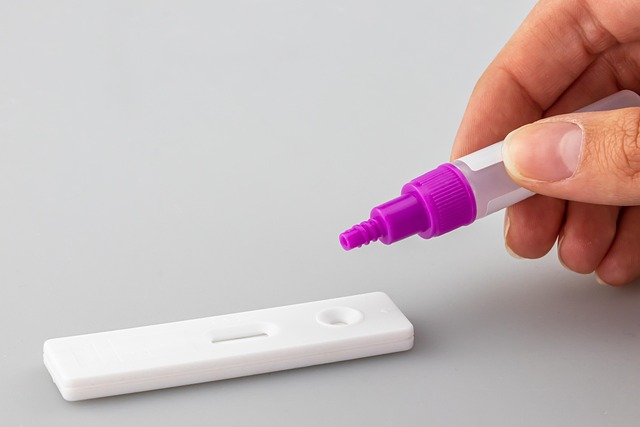
While many turn to supplements for quick testosterone results naturally, the effectiveness of these products is a topic of ongoing debate among experts. It’s crucial to approach this subject with scrutiny, as not all natural supplements are created equal. A study published in The Journal of Clinical Endocrinology & Metabolism found that certain herbal remedies, marketed as testosterone boosters, had little to no impact on hormone levels in men with low testosterone. This raises questions about the overall efficacy and safety of these supplements, especially for individuals over 50.
The search for natural ways to raise testosterone often involves exploring dietary changes and specific herbs or vitamins. Some popular choices include Tribulus terrestris, ashwagandha, and zinc supplements. However, scientific evidence supporting their benefits is mixed. For instance, while a kidney blood test in Leeds might reveal improved hormone levels after taking Tribulus terrestris, a similar study conducted in Oxford found no significant changes in testosterone or related markers. Similarly, individuals with diabetes, who may be particularly interested in natural remedies, should proceed with caution as some supplements can interact negatively with medications. A kidney blood test in Nottingham could help monitor these interactions, but it’s essential to consult healthcare professionals beforehand.
Practical advice for those aiming to boost testosterone naturally post-50 includes focusing on a balanced diet rich in lean proteins, healthy fats, and fruits/vegetables. Regular exercise, particularly resistance training, has been shown to increase testosterone levels safely and effectively. Additionally, managing stress through techniques like meditation or yoga can positively impact hormone production. It’s also important to note that individual responses to natural supplements vary widely, and what works for one person might not be effective for another. Consulting with healthcare professionals, who can offer personalized guidance based on medical history and specific blood test results (like kidney or diabetes screenings), is crucial before embarking on any supplement regimen.
By understanding the natural decline of testosterone after 50 and implementing targeted strategies, men can effectively raise their testosterone levels and achieve quick testosterone results naturally. Lifestyle changes such as regular exercise, a balanced diet rich in essential nutrients, and sufficient sleep are crucial for optimal hormone production. Dietary approaches like incorporating zinc, vitamin D, and healthy fats further support testosterone health. While natural supplements may offer benefits, consulting healthcare professionals is essential to ensure safety and efficacy. These comprehensive strategies empower men to take control of their hormonal balance and maintain vitality as they age.