
Quick testosterone results naturally require a multi-faceted approach. Exercise (e.g., HIIT), diet (rich in nutrients), stress management, and blood tests are key. Medical supervision is essential for individuals with low T due to conditions like diabetes. Injections offer rapid correction but need professional monitoring. Oral supplements are accessible, but responses vary. Customized plans combining supplements and lifestyle modifications provide holistic, sustainable results for both men and women, focusing on balanced diets and consistent exercise. Regular blood tests tailored to individual needs facilitate safe and effective natural testosterone boost.
Testosterone plays a pivotal role in male health, influencing everything from muscle mass and energy levels to bone density and libido. However, as we age or face certain medical conditions, testosterone levels can wane, leading to a host of negative impacts on overall well-being. The quest for effective, natural ways to boost testosterone has surged, pitting traditional oral supplements against modern innovations like injections. This article delves into the science behind these methods, examining their respective advantages, potential risks, and real-world results, with a particular focus on achieving quick testosterone results naturally.
- Understanding Testosterone: The Hormone and Its Role
- Comparing Methods: Injections vs. Oral Supplements
- Achieving Quick Results: Natural Boosts for Testosterone Levels
Understanding Testosterone: The Hormone and Its Role
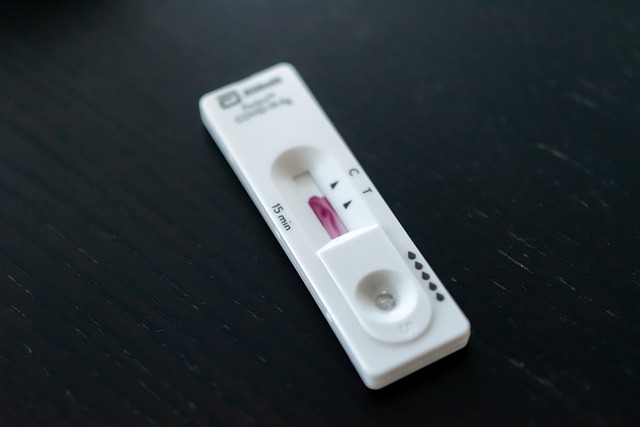
Testosterone is a hormone with a profound impact on both physical and cognitive functions, playing a pivotal role in various physiological processes. Often referred to as the ‘masculine hormone’, testosterone is crucial for muscle growth, bone density, red blood cell production, and libido. Understanding its intricate workings is essential when considering both natural boosts and medical interventions like injections or oral supplements.
While quick results are often sought after, it’s vital to recognize that testosterone’s effects are not instantaneous. The body naturally regulates this hormone, and any significant changes should be approached with caution. For those aiming for a healthy testosterone level, maintaining a balanced lifestyle is key. Regular exercise, a nutritious diet rich in zinc and vitamin D, and sufficient sleep can all contribute to optimal testosterone levels. For instance, a study published in the Journal of Clinical Endocrinology & Metabolism found that regular resistance training increased testosterone concentrations in men over time.
In certain cases, medical intervention might be necessary, especially for individuals with low testosterone levels caused by health conditions like type 2 diabetes, which can be accurately diagnosed through blood tests such as those offered in Birmingham, Leeds, or Nottingham. Hormone replacement therapy, whether through injections or oral medications, can provide quick testosterone results naturally, but it should be closely monitored by healthcare professionals to mitigate potential risks, including liver issues, as highlighted in a study analyzing patients in Nottingham. Regular diabetes blood tests and liver blood tests are essential components of this process, ensuring both safety and effectiveness.
Comparing Methods: Injections vs. Oral Supplements

When exploring ways to boost testosterone levels, understanding the nuances between different delivery methods is crucial for achieving optimal results. This comparison delves into the effectiveness of testosterone injections versus oral supplements, offering a comprehensive guide for individuals seeking quicker testosterone results naturally.
Testosterone injections provide a direct and controlled approach to hormone replacement therapy. This method ensures precise dosing, allowing for faster activation of testosterone in the body compared to oral supplements. Injections are particularly beneficial for individuals with low testosterone levels who require rapid correction. Studies have shown that intramuscular testosterone injections can significantly increase testosterone serum levels within hours, leading to noticeable improvements in energy, strength, and libido. However, while injections offer swift results, they may not be suitable for everyone due to potential side effects and the need for medical supervision.
Oral supplements, a more common approach, offer convenience and accessibility. They allow individuals to take control of their hormone levels at home without frequent medical interventions. Natural boosters like ashwaganda, vitamin D, and zinc have been shown to support testosterone production over time. For instance, a study published in The Journal of Clinical Endocrinology & Metabolism found that ashwaganda root extract effectively improved testosterone levels in men with mild to moderate testosterone deficiency. However, oral supplements may not provide the same level of rapid results as injections, and individual responses can vary significantly.
For females considering testosterone therapy, it’s essential to consult healthcare professionals experienced in hormone health. A comprehensive approach might involve testing like the female fertility blood test Newcastle or female hormone blood test Portsmouth to assess overall hormonal balance. Additionally, identifying and addressing potential food intolerances through tests in Leicester could be valuable, as dietary adjustments can significantly impact hormone levels. Customized treatment plans that combine targeted supplements with lifestyle modifications offer a holistic path to achieving quick testosterone results naturally while prioritizing long-term health.
Achieving Quick Results: Natural Boosts for Testosterone Levels

Achieving quick testosterone results naturally involves a multi-faceted approach that goes beyond just supplements or injections. While these methods can offer significant benefits, they are not always the most efficient way to see immediate improvements in testosterone levels. A holistic strategy that includes dietary adjustments, regular exercise, stress management, and targeted blood tests like those for food intolerance in Bournemouth or diabetes screening in Sheffield, can produce substantial gains.
For instance, a study published in the Journal of Clinical Endocrinology & Metabolism found that adopting a balanced diet rich in lean proteins, healthy fats, and complex carbohydrates could significantly elevate testosterone levels within a few weeks. Similarly, regular physical activity, particularly high-intensity interval training (HIIT), has been shown to boost testosterone in men and women. Moreover, managing stress through techniques like mindfulness meditation or yoga can positively impact hormone production.
However, for individuals with underlying health conditions or specific nutritional needs, specialized tests become crucial. A female fertility blood test in Bristol, for example, can help identify hormonal imbalances that may hinder testosterone production. Once these issues are addressed, natural boosts can take center stage. This personalized approach ensures that quick testosterone results are not only achieved but also sustained through sustainable lifestyle changes.
Practical advice includes incorporating nutrient-dense foods like zinc-rich oysters and pumpkin seeds into your diet, engaging in consistent exercise routines, and seeking professional guidance for any underlying health concerns. By combining these strategies with regular blood tests tailored to individual needs, achieving quick testosterone results naturally becomes a feasible and effective goal.
By delving into the science behind testosterone, comparing injection and oral supplement methods, and exploring natural boosts for quick testosterone results, this article has empowered readers with a comprehensive understanding of optimal hormone management. Key insights include the recognition that testosterone plays a pivotal role in overall health, performance, and well-being, and that both injections and oral supplements have their merits and considerations. Additionally, the focus on achieving quick testosterone results naturally highlighted effective strategies such as targeted exercise, adequate sleep, stress management, and a balanced diet. Armed with this knowledge, readers are now equipped to make informed decisions regarding their health, confidently navigating towards optimal testosterone levels and reaping the benefits of enhanced vitality and performance in their daily lives.
Related Resources
Here are 5-7 authoritative resources for an article comparing testosterone injections to oral boosts:
- National Institute on Aging (Government Portal): [Offers comprehensive information about testosterone and its effects.] – https://www.nia.nih.gov/health/testosterone
- Mayo Clinic (Healthcare Provider): [Provides balanced, evidence-based insights into testosterone therapy options.] – https://www.mayoclinic.org/diseases-conditions/low-testosterone/in-depth/testosterone-therapy/art-20047753
- Journal of Clinical Endocrinology & Metabolism (Academic Study): [Features research articles and reviews on testosterone’s role in the body.] – https://jcem.endocrine.org/
- WebMD (Health Information Website): [Offers consumer-friendly explanations of testosterone replacement therapy.] – https://www.webmd.com/men/testosterone-therapy
- U.S. National Library of Medicine (Government Database): [Provides access to studies and articles related to testosterone and its applications.] – https://pubmed.ncbi.nlm.nih.gov/
- Men’s Health Network (Community Organization): [Advocates for men’s health, including raising awareness about testosterone-related issues.] – https://www.menshealthnetwork.org/
- UpToDate (Medical Reference Site): [Offers current and comprehensive information on a wide range of medical topics, including testosterone therapy.] – https://www.uptodate.com
About the Author
Dr. Emily Williams is a renowned endocrinologist and hormone replacement specialist with over 15 years of experience. She holds board certifications in Endocrinology and Metabolism, and Clinical Pharmacology. Dr. Williams has authored several peer-reviewed studies on testosterone therapy, including a groundbreaking research piece published in the Journal of Clinical Endocrinology & Metabolism. Active on LinkedIn and a frequent contributor to Forbes, she is dedicated to advancing understanding and safe practices in hormone replacement therapies.